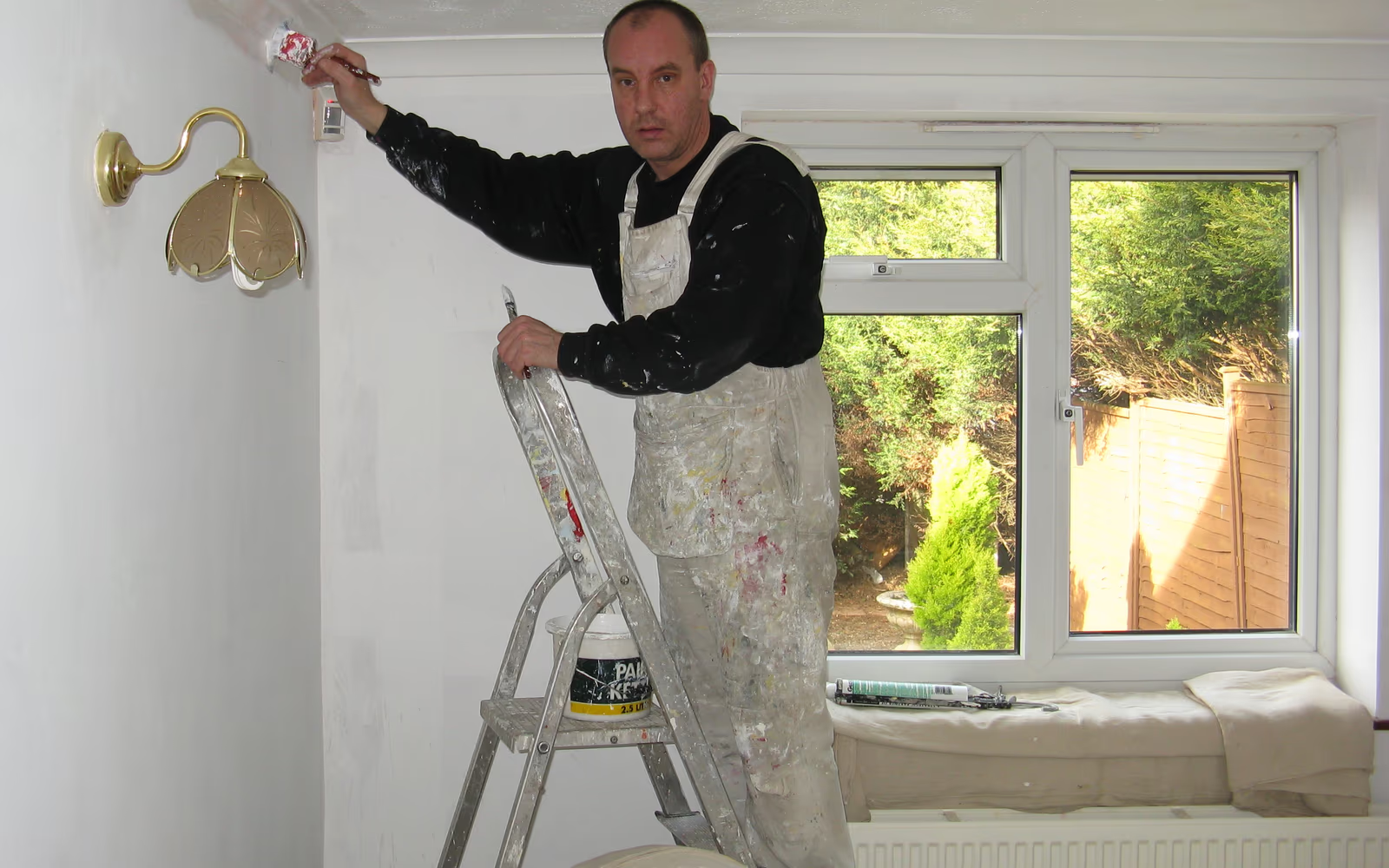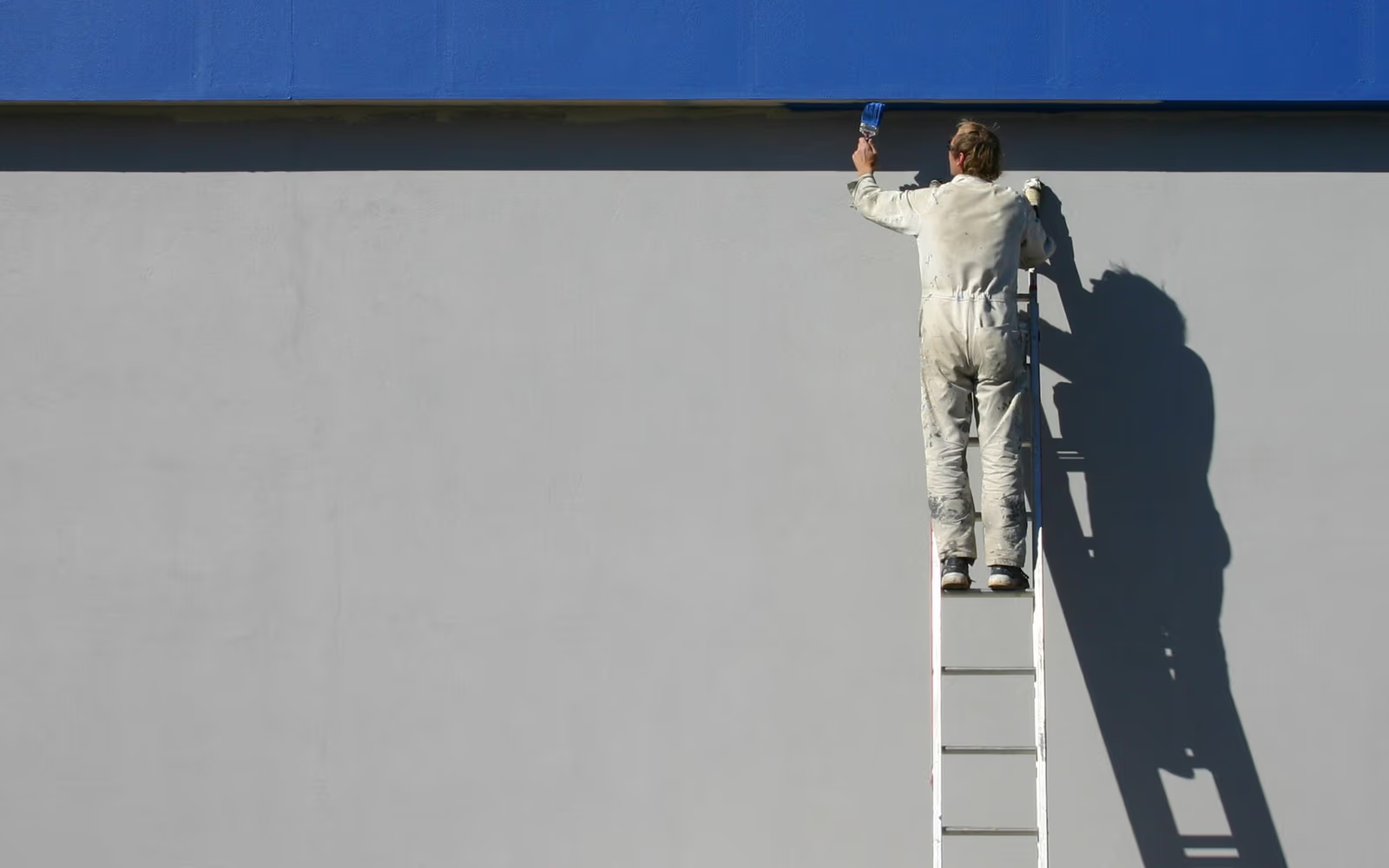
Interior and exterior painting might look similar, but they call for different products, preparation and timing — especially in Dublin’s changeable weather.
Interior painting is about a clean, even finish in living spaces. The focus is on smooth walls, neat edges around trim and ceilings, and choosing the right finish for each room — washable paints for kitchens and hallways, softer finishes for bedrooms. Most interior work can happen year-round.
Exterior painting is far more about protection. Surfaces face rain, wind and salt air, so preparation matters even more: cleaning, treating damp, filling cracks and using weatherproof coatings designed for Irish conditions. Timing is important too, as exterior work needs dry, mild weather to cure properly.
Both jobs reward careful preparation. Skipping prep is the most common reason paintwork fails early.
Preparation differences
The biggest difference between interior and exterior paint jobs is how much groundwork each needs.
Inside, prep is about a clean, even base: filling cracks and nail holes, sanding back old gloss, sugar-soaping greasy kitchen walls, caulking gaps around skirting and architrave, then masking and laying dust-sheets to keep the room tidy. Most surfaces are dry and stable, so the work is more about a neat finish than fighting the elements.
Outside, prep is heavier and more about protection. Walls and woodwork are washed down to remove dirt, moss and old flaking paint, any damp or render cracks are treated, bare timber and metal are primed, and surfaces need to be fully dry before a coat goes on. On older Dublin homes, sound prep on pebble-dash, render and timber fascias is what decides whether the finish lasts five years or fifteen.
Products and finishes for each
The difference between interior and exterior paint comes down to what each coat has to survive.
- Interior paints are formulated for a smooth look and easy upkeep indoors — matt or eggshell on walls, washable finishes for kitchens and hallways, and a durable satin or gloss on woodwork. Low-odour, quick-drying water-based products are now the norm for living spaces.
- Exterior paints are built to flex, breathe and shed water. Masonry paints, weatherproof wall coatings and exterior-grade wood and metal paints resist rain, UV and salt air. They cost more per litre but earn it in lifespan.
A common question is whether you can use exterior paint inside. It’s not advised — exterior products are made for outdoor durability, often carry a stronger smell and higher solvent content, and aren’t designed for the wear (and wipe-clean cleaning) that interior walls get. Use the right product for the right place.
Timing and weather: the Irish climate
Interior painting can be done all year round. We control the conditions indoors, so heating and ventilation keep things drying steadily even in winter.
Exterior painting is weather-dependent. Irish summers are short and showery, so the window matters. The best time to paint the exterior of a house in Ireland is generally late spring through early autumn (roughly April to September), when there are longer dry spells and milder temperatures. Surfaces must be dry, rain shouldn’t be due for a day or so after, and most coatings want temperatures above about 8–10°C to cure properly. We keep an eye on the forecast and plan exterior work around dry windows rather than rushing a coat on before rain.
Durability and maintenance
Indoor paintwork is sheltered, so a good interior job typically lasts many years — often the limiting factor is taste or scuffs in high-traffic rooms rather than the paint failing.
Outside is harder on a finish. How long exterior paint lasts in Ireland depends on the surface, the product and the prep, but as a rough guide masonry and render coatings often hold up for around 7–10 years, while exposed timber (doors, fascias, window frames) and coastal properties facing salt air need refreshing more often. Good prep and the right coating are what stretch those numbers; weathered or damp walls painted over without treatment fail far sooner.
When to do each
| Interior painting | Exterior painting | |
|---|---|---|
| Preparation | Fill, sand, caulk, mask, dust-sheet | Wash, treat damp/moss, scrape, prime bare timber/metal |
| Products | Matt/eggshell walls, washable kitchen paints, satin/gloss woodwork | Masonry & weatherproof coatings, exterior wood & metal paints |
| Best timing | Year-round | Dry, mild spells — roughly April to September |
| Typical lifespan | Many years (wear/taste led) | ~7–10 years on render; sooner on exposed timber/coastal |
As a rule of thumb: tackle interior work when you’re refreshing rooms, moving in, turning over a rental or updating a kitchen or hallway — and it suits the colder, wetter months when outdoor work isn’t possible. Schedule exterior work for a settled dry stretch, ideally before small problems like flaking render or bare timber turn into damp. Many Dublin homeowners pair the two: exterior in summer, interior over winter.
Whether you need interior painting or exterior painting, Dublin Deco Painting can help. We’re fully insured, working across Dublin city and county since 2017, and reply to every enquiry within one working hour. For a sense of what each job costs, see our Dublin painting price guide. Get a free, no-obligation quote and we’ll recommend the right approach for your home.